Ben Reihanian S2B11 - What is the Urge to Itch?
What is the Urge to Itch?
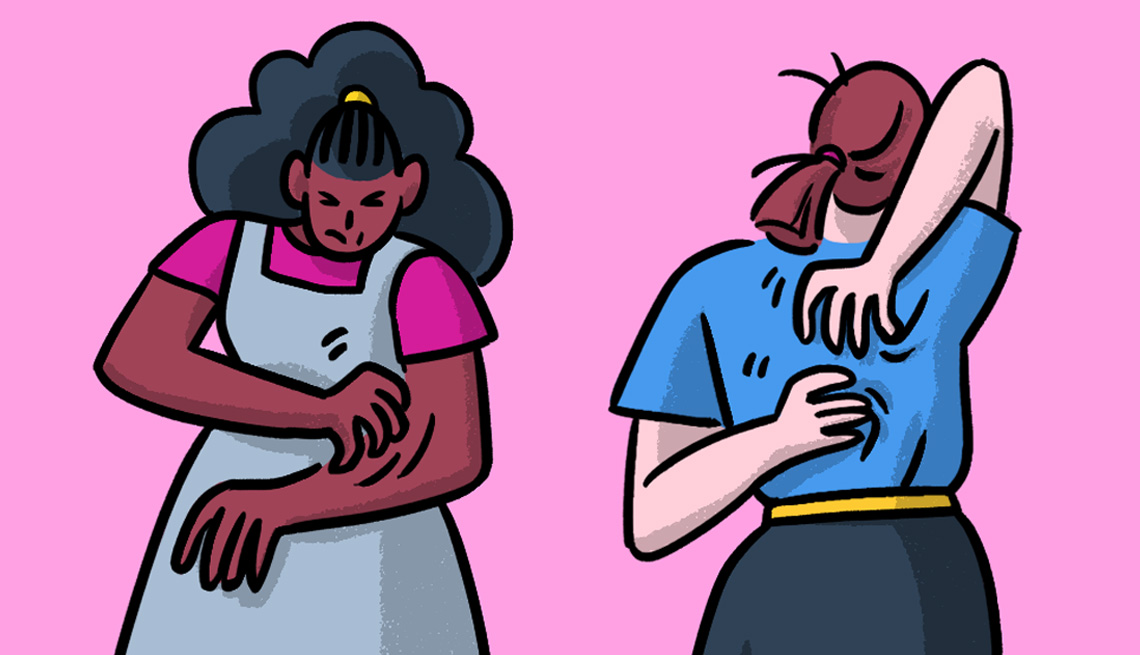
Itching is a painful and aggravating experience, especially when scratching only makes it far worse. Furthermore, there are several conditions that cause people to itch incessantly without alleviation. In one case study, a woman scratched through to her brain because her scalp was so itchy. Itching is a curious sensation that scientists are still struggling to understand.
The itch sensation is known scientifically as pruritus, and it's thought to have evolved as a means to defend our largest organ, our skin, from parasites and dead cell build-up. Our other organs are safely kept inside our bodies, where our immune systems can properly defend them. However, because our skin is our first layer of protection and is constantly exposed to the outside world, it's logical that it has developed some unconventional methods to keep us safe.
Furthermore it reveals why itching is infectious: back in the paleolithic era, when we all resided in close quarters, if you saw an affected fellow scratching away at themselves, it would make logical sense for you to itch as well, to avoid being bitten or afflicted by whatever was irritating them. However, it does not explain why an itch provides such a distinct and frustrating sensation.
Scientists assumed an itch was merely a lesser sort of pain until about a decade ago, believing that it uses the same receptors in the epidermis that send chemical and electrical impulses up the spine and to the brain to inform it that something hurts. However, we now know that itching has its own circuitry, complete with its own chemicals and cells. The stimulation of pruriceptors (itch-sensing nerve endings) by mechanical, thermal, or chemical mediators causes a skin itching sensation. These are some examples:
Chemicals for immune response (histamines) and pain relief (opioids)
Neuropeptides, which include pain-regulating messengers released within the brain, such as endorphins
The neurotransmitters acetylcholine and serotonin
Prostaglandins, which are lipids that, among other functions, create the sensation of pain in spinal nerve cells
While we all have distinct reactions to pain, we all have the same reaction to itching:
Scratching.
Scratching, it turns out, feels good because it sends a low-level pain signal to the brain, which overrides the itch signal and provides comfort. That's why pinching or slapping the irritated area might also help. Regretfully, some of those pain relievers, such as serotonin, might actually make it easier for the itchiness to be reactivated.
Scratching can make you itch even more, triggering what scientists call the "itch-scratch loop", regarded as a vicious cycle. Damage to the nerves involved in that cycle can cause uncontrolled itching in the absence of a stimulus, which is referred to as pruritus disorders. There are a slew of reasons why this happens, and sometimes experts aren't even sure what's causing it. Some, such as postherpetic itch, which can be provoked by shingles, are caused by viral infections that impact the nerve system.
Brachioradial pruritus, which is produced by a constricted nerve in the neck, is another example. Aquagenic pruritus is itching that occurs after coming into touch with water. Some of the instances have been connected to an uncommon disorder in which the body has an excess of red blood cells. All of these conditions can leave patients with a bothersome itch that has no evident explanation and may not be relieved.
Read this for remedies!
When was the last time you itched?


I never even thought to myself the science behind itching and scratching and personally, I think this blog post is very interesting! When I was younger, I had eczema so I used to itch and scratch it all the time and even though it felt good at the moment, scratching as you said, made me itch even more and now I know that this is known as the "itch-scratch loop".
ReplyDeleteThe science behind itching is very interesting. I never thought so much about itching until now. Thank you for sharing this information because it will help me think about the drawbacks to itching.
ReplyDelete